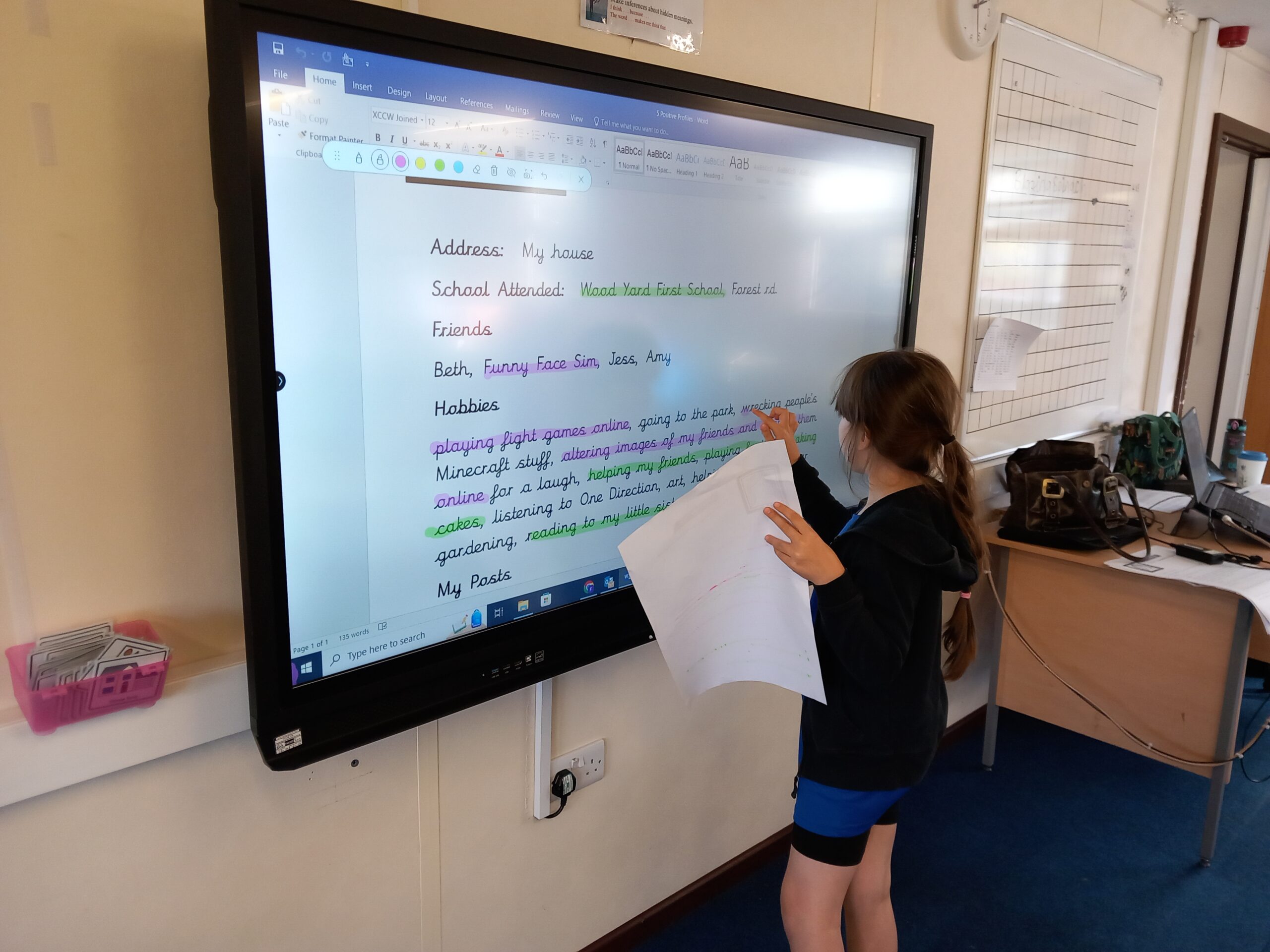
Computing
Curriculum intent:
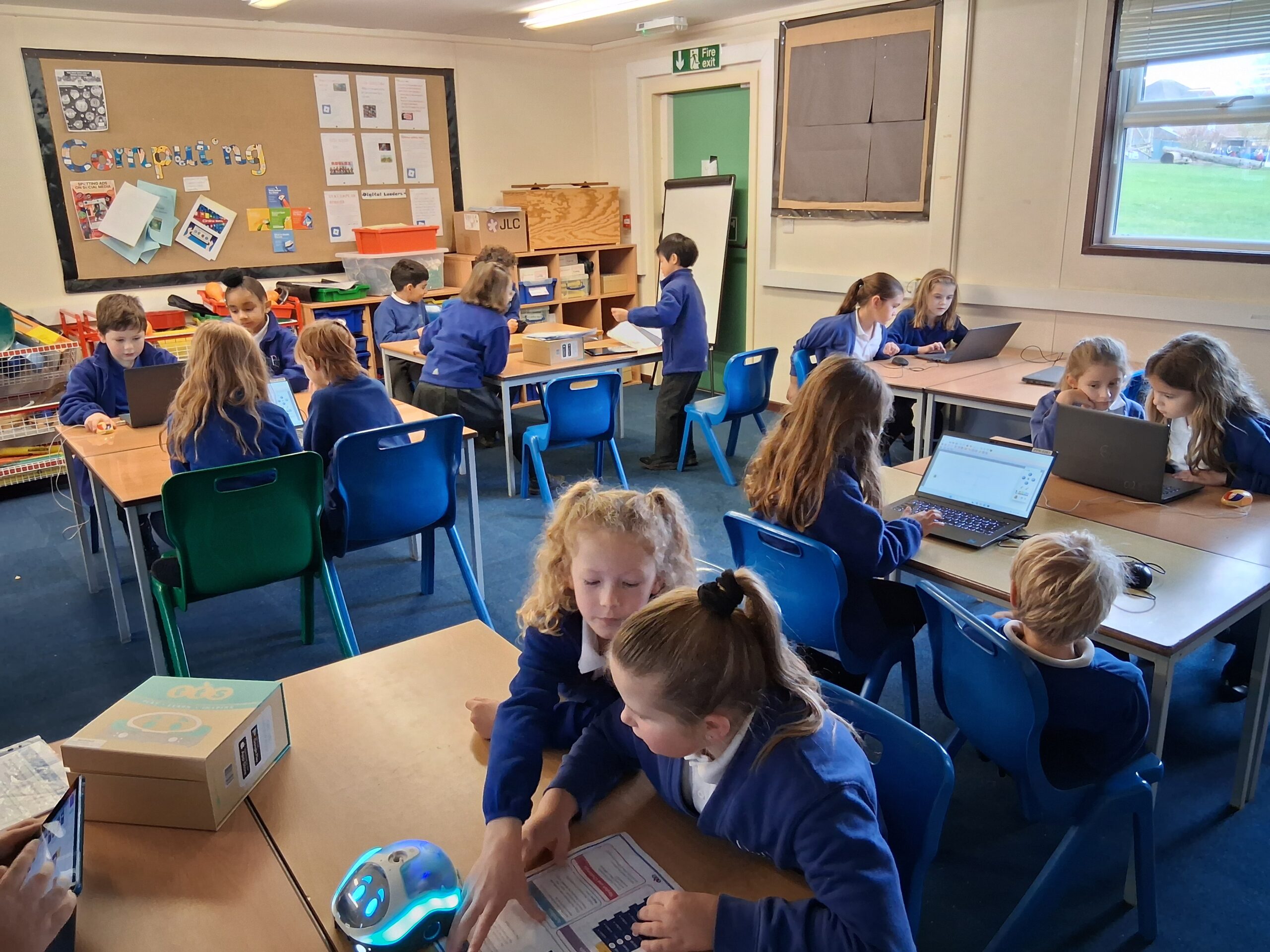
Technology is an essential part of our everyday lives. Teaching key skills in computing across our school, is key to preparing pupils for the digital world. We inspire & equip the next generation to participate in the rapidly changing world, where work and leisure activities are increasingly transformed by technology. Computing skills and computational thinking are a major factor in enabling children to become resilient, creative and critical digital citizens, understanding their role and responsibilities in the digital landscape. Computing can help give pupils the tools to understand information, which will help empower them in later life.
What does learning look like at our school?
By the time pupils leave primary school we aim to develop pupils who:
- Are responsible, confident and creative users of technology, who apply computational thinking beyond the Computing curriculum.
- Become digitally literate and are active participants in a digital world.
- Know how to stay safe whilst using technology and on the internet, minimising risk to themselves and others.
- Understand and follow agreed E-Safety rules, and know who to contact if they have concerns, including the use of report buttons.
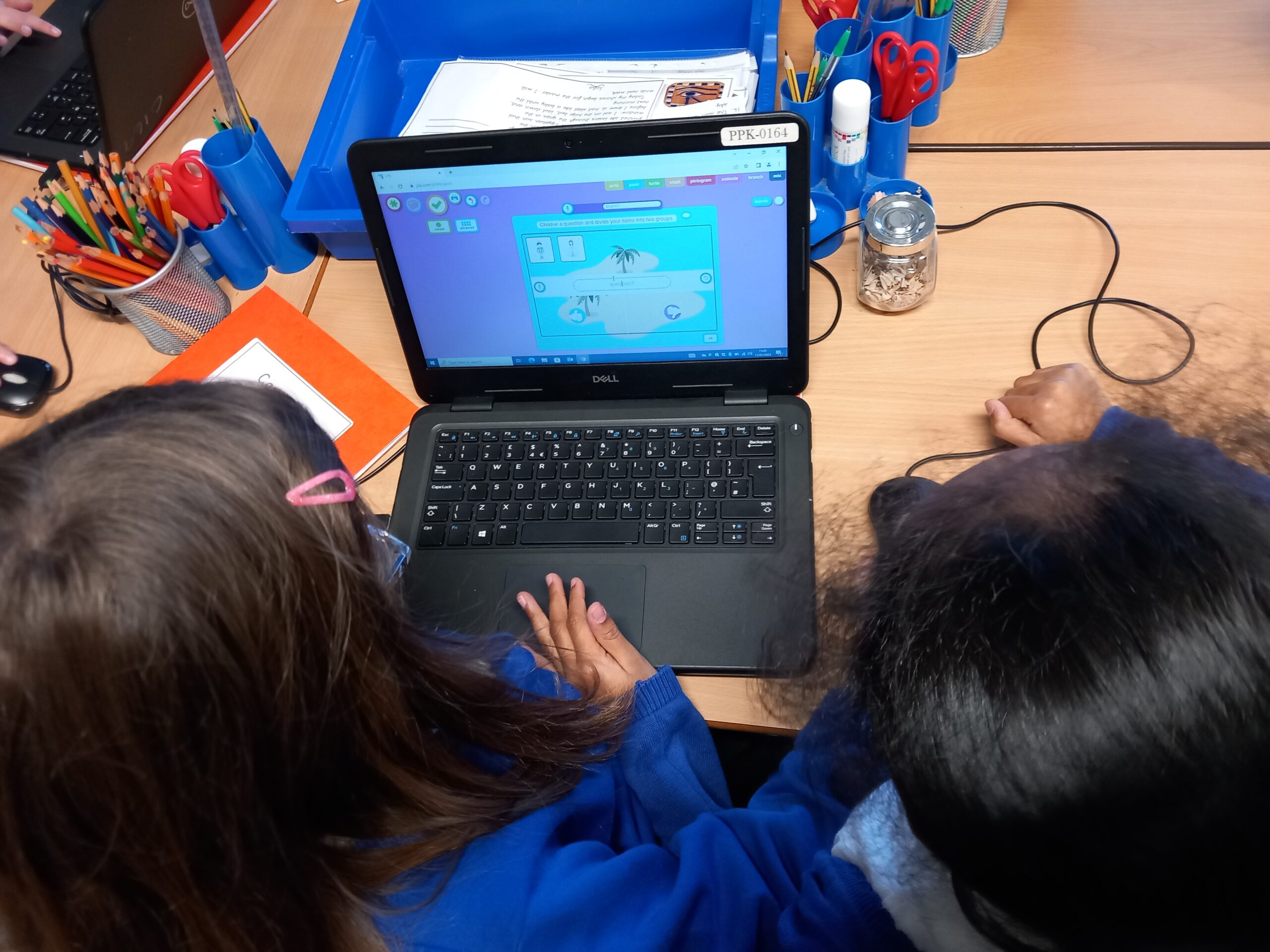
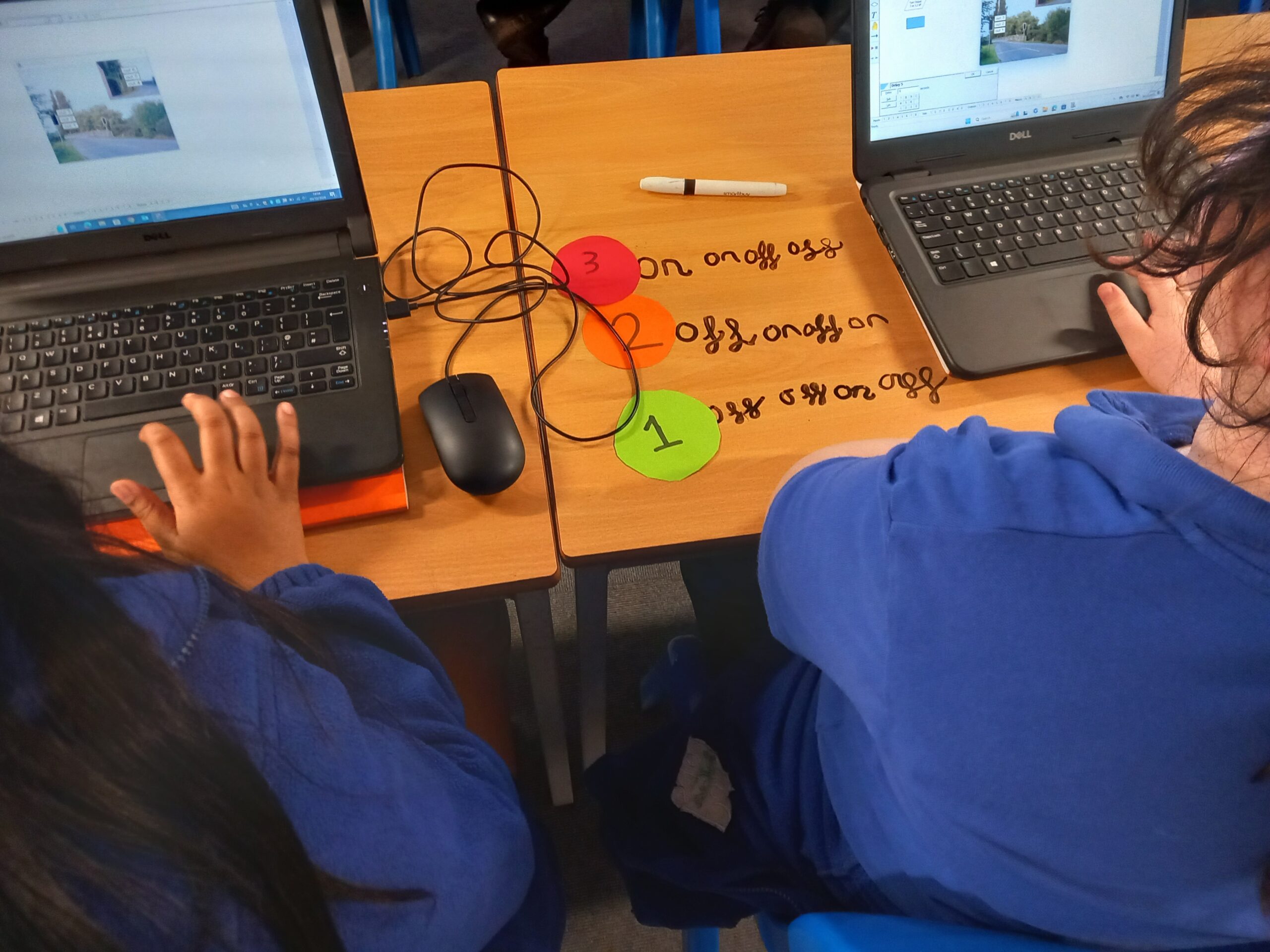
- Have repeated practical experience writing computer programs in order to solve problems, including CODE & algorithms.
- Ask and answer questions through collection, analysing, evaluating and presenting data and information.
- Understand how digital networks work & the services they provide.
- Use search options effectively; understanding the need to evaluate the relevance of content.
How can families support at home?
Families can effectively support the primary computing curriculum at home by focusing on logical thinking without screens, encouraging safe internet habits through honest discussions with your child around online safety and linking everyday problem-solving to algorithms and decomposition (breaking big tasks into smaller steps).
💻 Computing at Home – Useful Websites
- BBC Bitesize – Computing
Free, age-appropriate resources covering computing, programming and digital skills. There are resources for both KS1 and KS2. - Scratch
Children can learn the basics of coding by creating their own interactive stories, games and animations. Particularly useful for KS2. - ScratchJr
An introduction to programming designed for younger children. Children can create their own stories and games using simple coding blocks. - Code.org
Fun, step-by-step coding activities based around popular themes and characters. A great starting point for children who are new to programming. - Hour of Code
A collection of short coding activities and challenges suitable for beginners. Children can work through activities independently or with an adult. - Blockly Games
A series of fun games that introduce children to programming concepts such as sequences, loops and algorithms. - Raspberry Pi – Digital Making at Home
Creative computing projects that allow children to code, make and experiment. There are projects suitable for different ages and abilities. - Barefoot Computing
Free computing resources designed for primary-aged children, covering topics such as algorithms, programming and computational thinking. - Thinkuknow
A useful website for children and parents covering online safety, privacy, gaming, social media and how to stay safe online. It provides age-appropriate advice and activities. - Internet Matters
A particularly useful resource for parents and carers. It provides practical advice about children’s online safety, including gaming, social media, screen time, parental controls and online bullying.
Online Safety Discussions:
Parent Zone Childnet to guide age-appropriate conversations around & screen time, cyberbullying, and digital footprints